Used furniture offers both value and character that new pieces cannot match. Vintage pieces bring history into modern spaces while reducing environmental impact through reuse.
Finding Quality Pieces
Successful sourcing requires patience and knowledge. Estate sales, auctions, and consignment shops yield the best finds. Develop relationships with dealers who can alert you to incoming inventory matching your needs.
Online marketplaces expand your search radius significantly. Local pickup listings avoid shipping complications for large pieces. Quality photos and honest descriptions indicate reputable sellers.
Evaluating Condition
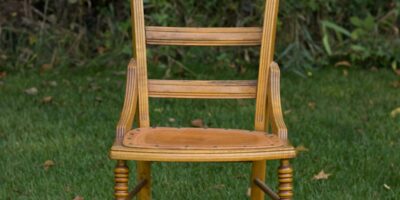
Inspect pieces carefully for structural integrity before purchasing. Examine joints for looseness that indicates problems. Check wood surfaces for damage that might be difficult or impossible to repair.
Some wear adds character without compromising function. Distinguish between honest patina and neglect damage. Pieces with good bones deserve investment in restoration.
Restoration Options
Minor repairs can transform good bones into stunning furniture. Tightening loose joints often requires only glue and clamps. Surface refinishing ranges from simple cleaning to complete stripping and refinishing.
Professional restoration makes sense for valuable antiques. Amateur attempts on quality pieces can destroy value permanently. Get expert opinions before tackling significant restoration projects.


Stay in the loop
Get the latest artisan furniture makers updates delivered to your inbox.