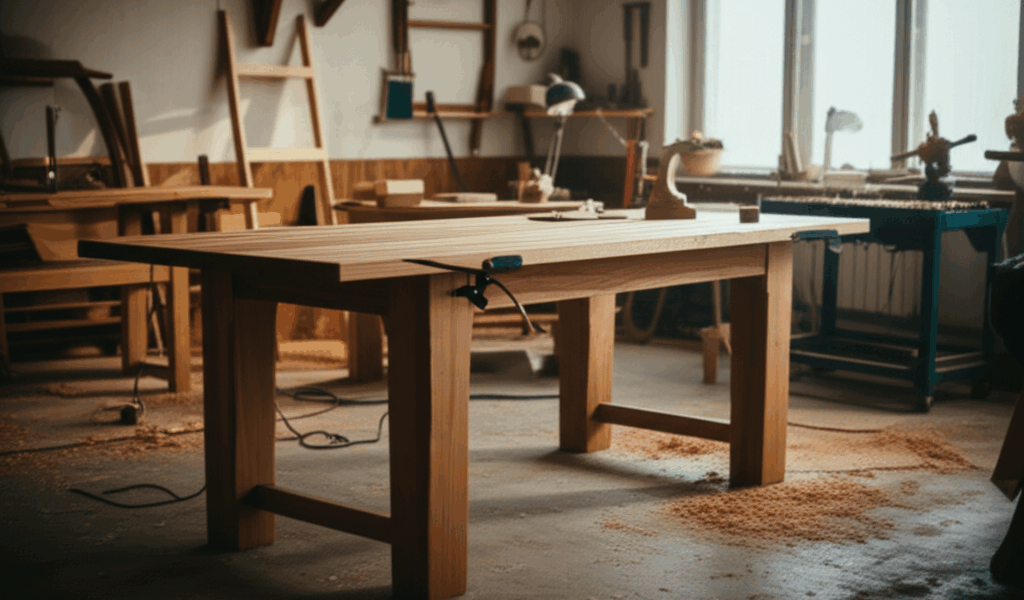
A custom-built desk fits your work style, space, and aesthetic preferences in ways mass-produced furniture cannot match. Whether you need a compact writing surface or a sprawling workstation, building your own desk lets you optimize every dimension for how you actually work.
Designing for Your Needs
Workspace Assessment
Consider how you use your desk before designing:
- Computer work requires keyboard tray height around 25-27 inches
- Writing surfaces work better at 28-30 inches
- Standing desks position the surface at elbow height when standing
- Multi-monitor setups need adequate depth (24-30 inches minimum)
Storage Requirements
Plan storage based on actual needs:
- File drawers for letter or legal-size documents
- Pencil drawers for daily supplies
- Cable management for electronics
- Printer or equipment accommodation
Desktop Construction
Material Options
Your desktop material affects both appearance and durability:
- Solid hardwood: Beautiful, durable, requires proper support for wood movement
- Edge-glued panels: Stable, available in various species
- Plywood with edge banding: Economical, stable, professional appearance
- Butcher block: Thick, sturdy, distinctive look
Desktop Dimensions
Standard desk depths range from 24-36 inches. Deeper surfaces accommodate monitors pushed back for comfortable viewing distance. Width depends on your space and needs—60-72 inches suits most home offices.
Edge Treatment
Edge details define your desk’s style:
- Eased edges (simple roundover) for casual contemporary
- Chamfered edges for modern industrial
- Ogee or cove profiles for traditional styling
- Live edge for rustic natural appeal
Base Construction
Four-Leg Designs
Traditional four-leg construction offers stability and classic appearance. Aprons connect legs and provide structural rigidity. Use mortise and tenon joinery for maximum strength.
Trestle Bases
Trestle designs maximize leg room by moving supports to the ends. The stretcher connection between trestles adds rigidity while serving as a footrest.
Panel Sides
Solid panel sides create built-in storage opportunities and substantial visual weight. Popular for executive-style desks with integrated filing.
Drawer Construction
Basic Drawer Building
Quality drawers use these techniques:
- Half-blind dovetails for front joints (hidden when closed)
- Through dovetails for rear joints (strong and attractive)
- 1/4-inch plywood bottom in grooves
- Full-extension slides for complete access
Drawer Sizing
Size drawers for their contents—pencil drawers need only 2-3 inches of depth while file drawers require 10+ inches for hanging folders. Standard letter-size hanging files need 12-inch interior width.
Cable Management
Plan for electronics from the design phase:
- Grommets in the desktop for cable pass-through
- Channel or tray under the desktop for power strips
- Adequate clearance behind the desk for plugs and adapters
- Consider a cord-hiding back panel
Finishing Considerations
Desk surfaces endure constant contact—choose durable finishes:
- Conversion varnish: Maximum durability for professional use
- Polyurethane: Good protection, DIY-friendly application
- Hardwax oil: Repairable, natural appearance
A custom desk becomes the command center for your productivity, built exactly to your specifications and crafted with your own hands.



Stay in the loop
Get the latest wildlife research and conservation news delivered to your inbox.