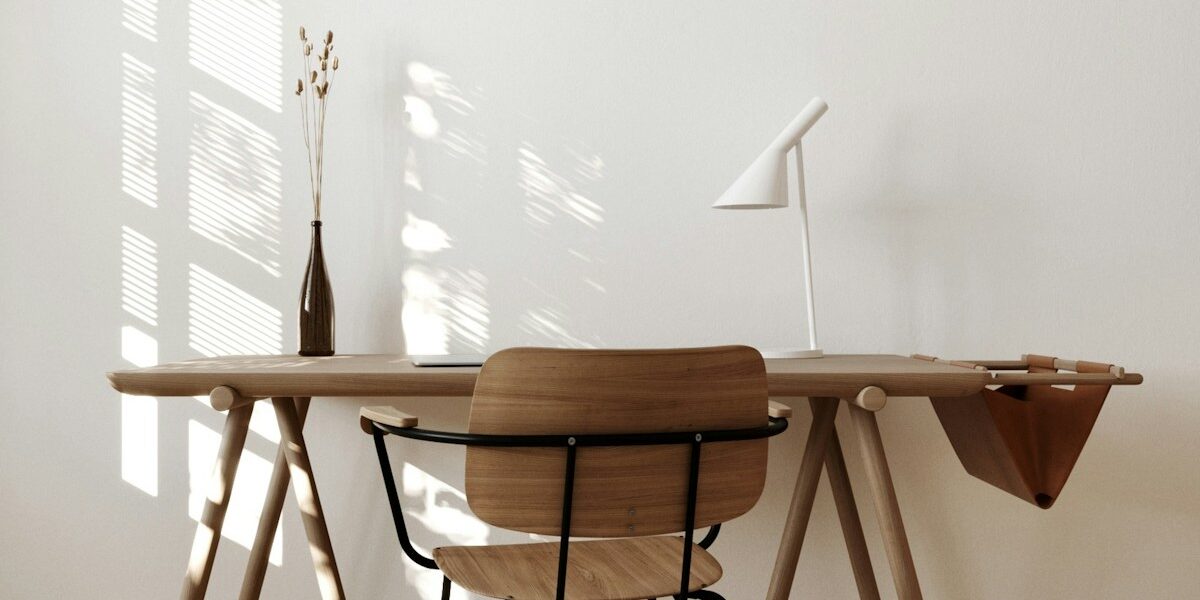
Refurbished Furniture Near You: A Real Person’s Guide to Finding the Good Stuff
Finding good refurbished furniture has gotten complicated with all the flippers and overpriced “vintage” shops flying around. As someone who’s furnished most of my house with refurbished pieces — and done a fair amount of refurbishing myself — I learned everything there is to know about separating genuine deals from overpriced junk. Today, I will share it all with you.
My refurbished furniture journey started out of necessity, honestly. Fresh out of college with no money, I needed a dining table. Found a beat-up oak table at Goodwill for $40, spent a weekend stripping and refinishing it, and suddenly had a piece that looked better than anything I could’ve afforded new. That table’s still in my kitchen twelve years later.
What Refurbishing Actually Involves
Probably should have led with this section, honestly. When someone says “refurbished furniture,” they could mean anything from a quick coat of chalk paint to a full structural rebuild. Understanding the spectrum helps you judge whether a price is fair.
Real refurbishing starts with cleaning to remove decades of grime and old finishes. Then you fix structural problems — tightening loose joints, replacing broken parts, re-gluing anything that’s wobbly. After that comes sanding, which is the tedious part nobody enjoys but makes everything else work. Finally, you apply fresh finish — paint, stain, or varnish depending on the piece and the look you’re after.
A well-refurbished piece should feel solid, open and close smoothly, and have a finish that protects the wood. If a “refurbished” piece wobbles or has drips in the paint, someone cut corners.
Why I Choose Refurbished Over New
The cost savings are real. I’ve got a solid walnut dresser in my bedroom that I bought refurbished for $350. An equivalent new dresser in walnut would run $1,500 minimum. The quality of the wood in older furniture is often better than what you’ll find in new pieces at similar price points.
Every piece also has character. That’s what makes refurbished furniture endearing to us DIY types — no two pieces are exactly the same. The slightly rounded edges, the patina in the hardware, the grain patterns in wood that’s been aging for decades. You can’t manufacture that.
And yeah, the environmental argument is real too. Keeping a solid piece of furniture out of a landfill and giving it another 30 years of life is better than buying something new that’ll fall apart in five.
Where to Actually Find Good Stuff Locally
Here’s where I’ve had the most success over the years:
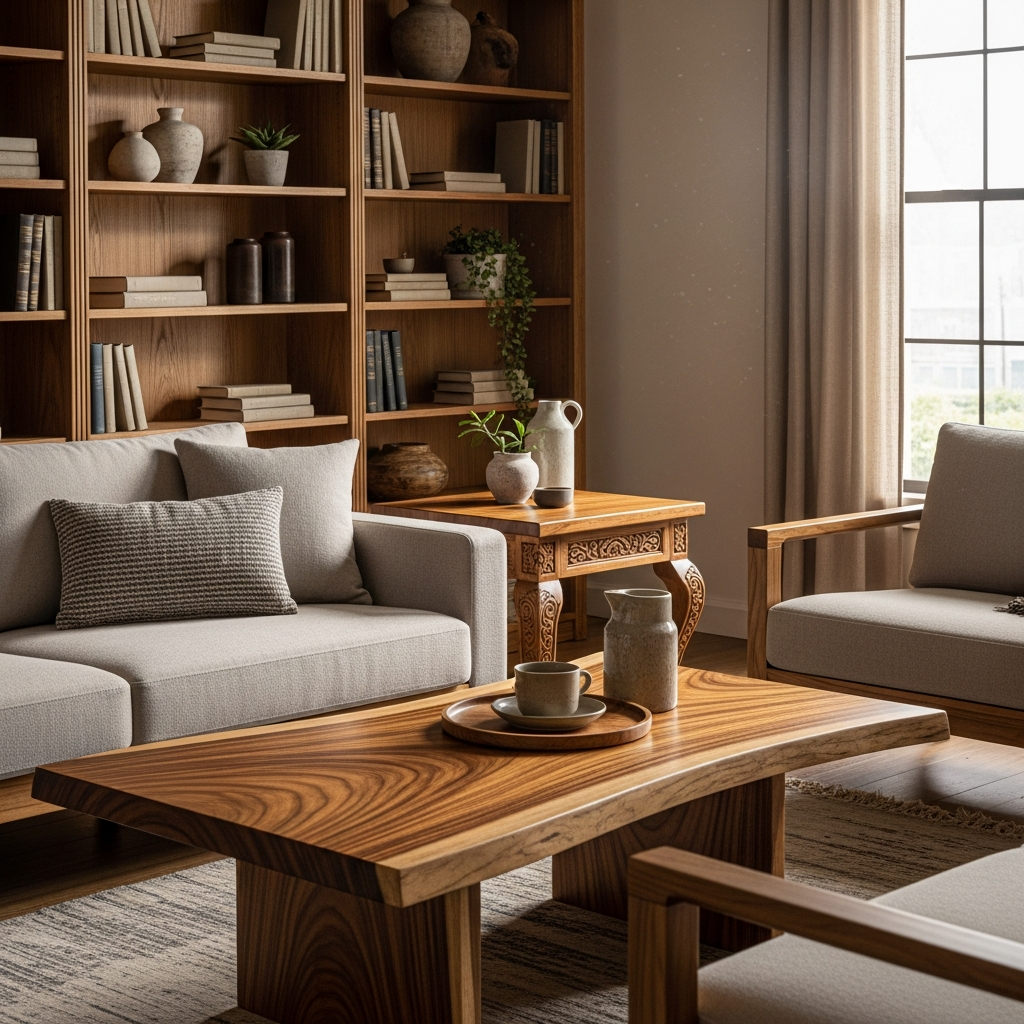
Consignment shops are my favorite hunting ground. The pieces are usually pre-screened for quality since the shop’s reputation depends on it. Prices are reasonable because the original owner just wants it gone. I found my living room coffee table — a gorgeous mid-century piece in cherry — at a consignment shop for $175.
Estate sales are hit or miss but when you hit, you hit big. I once got a complete bedroom set (bed frame, dresser, nightstands) for $500 at an estate sale. Everything was solid maple, built in the 1970s, and just needed fresh finish.
Flea markets and antique malls require patience. You’ll wade through a lot of overpriced junk. But vendors who specialize in furniture refurbishment often have good stuff at fair prices. Build a relationship with them and they’ll set aside pieces they think you’ll like.
Facebook Marketplace and Craigslist are wild west territory. Some amazing deals, some complete trash, occasional scams. Always inspect in person before buying, and bring someone who knows furniture if you don’t.
What to Look For When Buying
- Check the structure first. Push on it, sit on it, open all the drawers. Wobbly means the joints need work, which is fixable but factor that into the price.
- Ask what was actually done. Was it stripped and refinished or just painted over? A thick coat of paint can hide a multitude of sins.
- Look at the wood quality underneath. Solid hardwood is worth investing in. Particle board or MDF isn’t worth refurbishing, period.
- Negotiate. Almost everyone selling refurbished furniture expects some haggling. Be respectful about it, but don’t pay sticker price without asking.
Taking Care of Your Refurbished Pieces
Maintaining refurbished furniture isn’t any different from maintaining new furniture, honestly. Dust regularly with a soft cloth. Wipe up spills promptly. Use coasters. Don’t set hot things directly on wood surfaces.
For pieces with an oil or wax finish, I apply a fresh coat of furniture wax every six months or so. Takes about fifteen minutes per piece and keeps the finish looking alive instead of dried out.
Avoid harsh cleaning chemicals. They can strip finishes faster than normal wear ever would. Mild soap and water handles almost everything.
Current Trends Worth Knowing About
Mid-century modern is still the hottest style in the refurbished market, which means those pieces command premium prices. If you want value, look at farmhouse-style pieces or anything from the 80s and 90s that’s currently unfashionable — solid construction at lower prices because the style hasn’t cycled back yet. Give it five years.
Natural wood finishes are in, which is great for refurbishers because it means less painting and more appreciation for the actual material. I’m seeing more people strip paint off older pieces to reveal the wood underneath, which is work but the results can be stunning.
The refurbished furniture market keeps growing as more people discover that older, well-built furniture outlasts most new stuff at half the price. It’s not a trend anymore — it’s just smart shopping.
Recommended Woodworking Tools
HURRICANE 4-Piece Wood Chisel Set – $13.99
CR-V steel beveled edge blades for precision carving.
GREBSTK 4-Piece Wood Chisel Set – $13.98
Sharp bevel edge bench chisels for woodworking.
As an Amazon Associate, we earn from qualifying purchases.




Stay in the loop
Get the latest wildlife research and conservation news delivered to your inbox.