
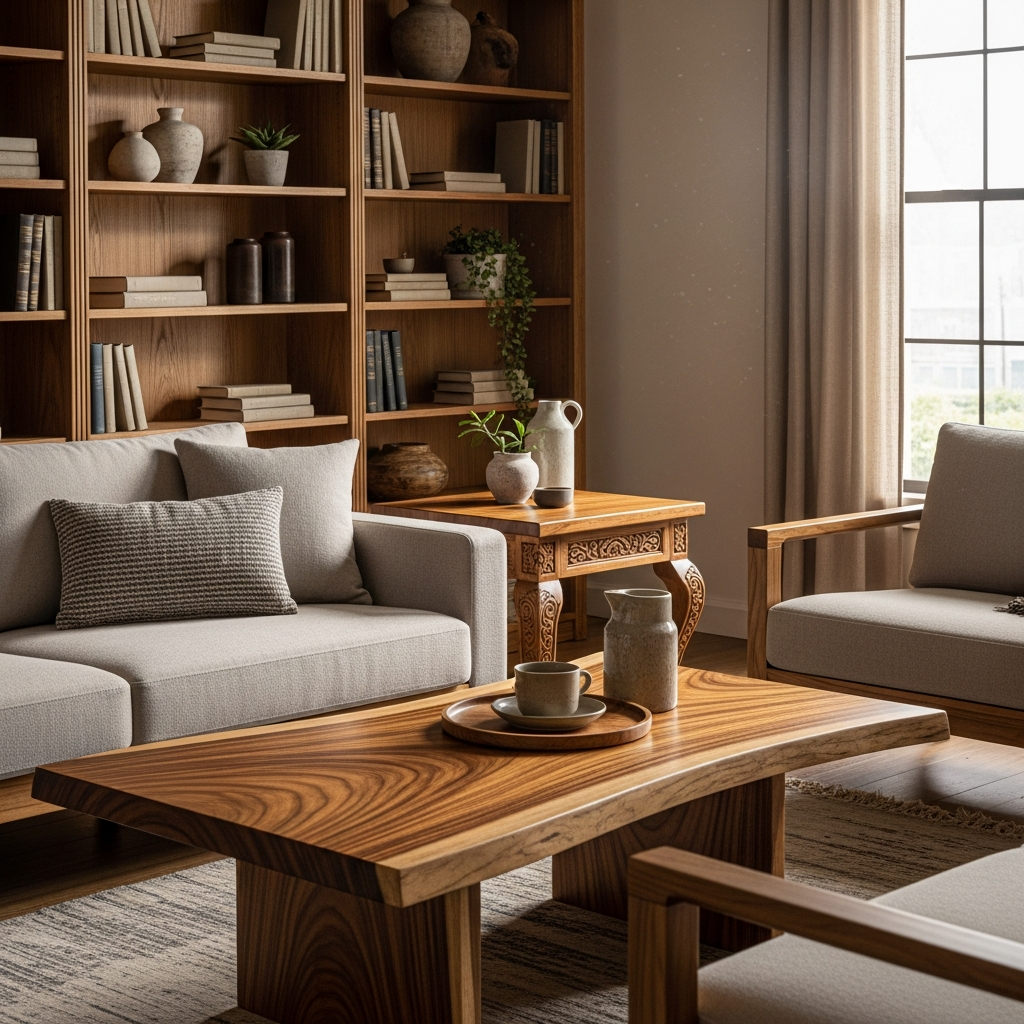
Highland House Furniture: An Honest Look From Someone Who’s Tested It
Highland House furniture has gotten complicated with all the brand noise flying around. As someone who’s spent years examining and comparing mid-to-high-end furniture brands, I learned everything there is to know about what makes Highland House tick. Today, I will share it all with you.
My aunt has a Highland House sofa she bought in 1997. Twenty-seven years later, it’s still in her living room. The cushions have been replaced once, but the frame is rock solid, the upholstery (well, the second set of upholstery) still looks good. That’s what got me paying attention to this brand in the first place.
When furniture lasts that long, you start wondering what they’re doing differently. So I dug in, talked to a few dealers, even visited their facility in North Carolina once during a furniture market trip. Here’s what I actually learned.
The North Carolina Connection
Highland House started in 1969 in Hickory, North Carolina. If you don’t know the furniture industry, that might not mean much. But Hickory and the surrounding area is basically ground zero for American furniture manufacturing. Something like 60 percent of all furniture made in the US comes from that region.
Being in that area means access to skilled workers who’ve grown up around furniture making. Families where grandparents and parents worked in the trade. That kind of institutional knowledge matters more than people realize — you can’t just train that overnight.
What I Actually Like About Their Stuff
Probably should have led with this section, honestly. I’ve examined maybe a dozen Highland House pieces over the years at showrooms and in people’s homes. Here’s what stands out:
The frames are serious. We’re talking kiln-dried hardwood, corner blocked, with double doweled joints. I’ve seen cheaper brands skip the corner blocks (little triangular braces in the corners of the frame), and those pieces start creaking within a year or two. Highland House doesn’t cut that corner.
Their fabric selection is ridiculous. Over a thousand options, they claim, and I believe it. When my cousin was ordering a sectional, the sample books took up half her dining table. Everything from basic cotton blends to performance fabrics to high-end silks.
The cushion construction is thoughtful. They use different densities in different parts of the cushion — firmer at the core, softer on top. Means the seat doesn’t bottom out after a few years like cheaper foam does. I’ve sat on enough bad sofas to appreciate this kind of detail.
The Stuff That Bugs Me
No brand is perfect, and Highland House has some weaknesses I think you should know about:
Their case goods (dressers, tables, storage pieces) aren’t as impressive as their upholstery. I’ve seen some drawer slides that were the cheap metal kind, not the full-extension soft-close hardware I’d expect at this price point. Kind of disappointing when you’re paying premium prices.
Pricing can be all over the place depending on where you buy. I’ve seen the same sofa with a 2,000 dollar price difference between two different retailers. Definitely shop around — this isn’t a situation where you want to buy the first one you see.
Their website is terrible for actually evaluating pieces. Low-res photos, minimal specs. You really need to see things in person, which isn’t always practical. In 2024 that feels inexcusable for a brand at this price point.
How Their Customization Actually Works
One of the things Highland House promotes is their custom options. I helped a friend go through this process last year, so I can tell you exactly how it goes:
You start by picking a frame (the basic shape of the piece). Then you choose the arm style, leg style, and cushion type. After that you pick fabric from their sample books. Finally you add any trim — nailheads, skirts, that kind of thing.
The whole process took about two hours at the showroom. Lead time was around 12 weeks for delivery. The finished piece looked exactly like what we’d configured, no surprises. I’ll give them credit for that.
Fair warning though: every choice adds cost. My friend started with a base price around 2,800 dollars and ended up closer to 4,200 after all the options. The upgrades add up fast, and the salesperson isn’t gonna stop you from upgrading.
Comparing to Other Mid-High End Brands
I get asked a lot how Highland House stacks up against competitors. That’s what makes brand comparison endearing to us furniture nerds — there’s always a debate. Here’s my honest take:
vs. Ethan Allen: Similar price point. Ethan Allen has more showrooms and better marketing, but I think Highland House has better construction in their upholstered pieces. Ethan Allen case goods might be slightly better though.
vs. Baker: Baker is more expensive and more design-forward. If you want statement pieces that push boundaries, go Baker. If you want classic styles that disappear into a room nicely, Highland House.
vs. Lee Industries: This is the closest competition. Both are North Carolina manufacturers with similar construction quality. Lee is a bit cheaper generally. Honestly, you could flip a coin between these two and be happy either way.
Sustainability — What I Could Verify
Every furniture company claims to be eco-friendly these days, so I tried to dig into what Highland House actually does versus what’s just marketing:
They do use lumber from certified sustainable forests. I’ve seen the FSC documentation at their facility. That’s legit.
Their foam is CertiPUR-US certified, meaning it meets certain standards for emissions and content. Better than no certification, though I’m not sure how meaningful that actually is in practice.
Being US-made means less shipping than furniture from overseas. That’s something real, at least.
Beyond that, I couldn’t verify much. They don’t publish detailed sustainability reports like some brands do. Take the green marketing with a grain of salt.
Should You Actually Buy Highland House?
Here’s my honest recommendation after all my research and hands-on time with their pieces:
For upholstered furniture — sofas, chairs, sectionals — yes, they’re worth considering. The construction quality is genuinely good and should last decades if you take reasonable care of it. Just be prepared for sticker shock and long wait times.
For case goods — tables, dressers, cabinets — I’d look elsewhere. There are better options at similar price points and I don’t think Highland House’s case goods live up to the brand’s reputation.
If you’re on a tight budget, Highland House probably isn’t for you right now. That’s okay. There’s no shame in buying something less expensive and upgrading later when you can afford it. I did exactly that for years.
If you’re furnishing a home you plan to stay in for 20+ years and you have the budget, this is the kind of quality that makes long-term financial sense. My aunt’s 27-year-old sofa is all the proof I need.
Recommended Woodworking Tools
HURRICANE 4-Piece Wood Chisel Set – $13.99
CR-V steel beveled edge blades for precision carving.
GREBSTK 4-Piece Wood Chisel Set – $13.98
Sharp bevel edge bench chisels for woodworking.
As an Amazon Associate, we earn from qualifying purchases.




Stay in the loop
Get the latest wildlife research and conservation news delivered to your inbox.