I remember the exact moment I became obsessed with Massoud furniture. I was at my brother-in-law house in Dallas about eight years ago, and he had this leather club chair in his study. I sat down, and immediately noticed something was different. The support was incredible – not too soft, not too firm. I ended up sitting there for an hour just talking.
When I asked where he got it, he said Massoud. I had never heard the name before. Turns out they have been making furniture in Dallas since 1963, and somehow I had completely missed them.
What Makes Massoud Worth Paying Attention To
So here is the thing about Massoud – they only make upholstered furniture. No tables, no case goods, no beds. Just chairs, sofas, ottomans, and benches. That specialization matters because they are not stretching themselves thin trying to be everything to everyone.
The other thing I learned: everything is still made in their Dallas facility. In an industry where most manufacturing has gone overseas, that is increasingly rare. I have been to their factory twice now (once on a tour they offer, once with a designer friend who was ordering for a client) and it is the real deal – craftspeople cutting, sewing, and assembling by hand.
The Construction Details That Actually Matter
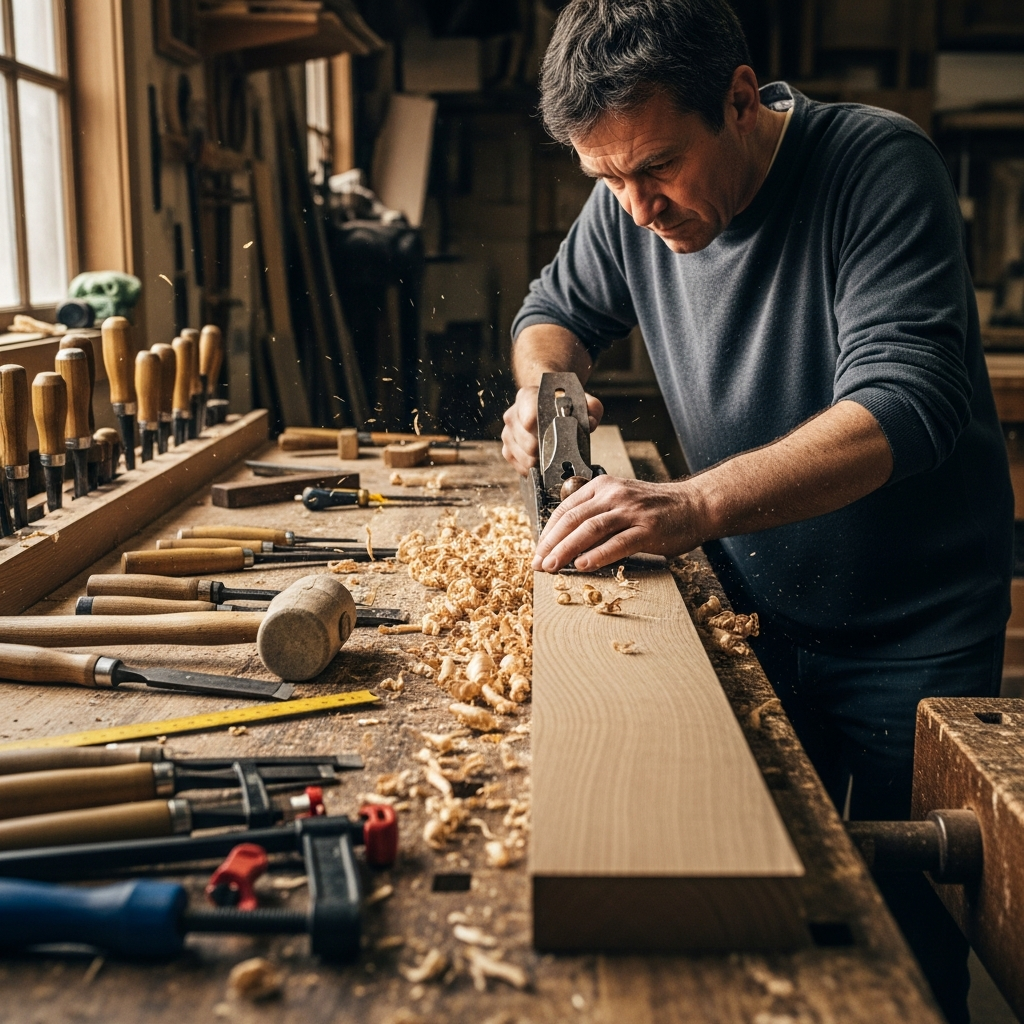
I am a woodworker, so I pay attention to how things are built. Here is what impressed me when I got to look behind the curtain:
Their frames are 100 percent hardwood. They use maple and poplar, kiln-dried to 6-8 percent moisture content. That is the sweet spot for stability – dry enough not to warp, not so dry it becomes brittle. Every joint is double doweled and glued, then corner blocked.
The springs are eight-way hand-tied. If you do not know what that means: it is the gold standard for seat springs. Each spring is tied to its neighbors in eight directions using steel wire, which distributes weight evenly and prevents sagging. Takes way longer than stapling in prefab spring units, but lasts decades longer.
They use different foam densities strategically. Higher density foam where you need support (seat cores), lower density where you want softness (backs and armrests). Seems obvious, but you would be surprised how many brands just use one foam throughout.
The Customization Thing
When I ordered a sofa from them a few years back, the options were almost overwhelming. Over 300 frame styles. Thousands of fabric choices. Different arm styles, leg finishes, cushion fills, trim details. You can make something completely unique.
Fair warning though – this takes time. My order took about 14 weeks from when I finalized everything to when it showed up. And every upgrade costs extra. I started with a base price around 2,400 dollars and ended up spending just under 3,500 after all my just one more thing decisions.
Worth it? In my case, yes. The sofa is perfect for my space in a way that nothing off the floor would have been. But if you need furniture quickly or have a fixed budget, the customization process can be frustrating.
What I Would Do Differently
Looking back at my purchase, there are a few things I would change:
I should have ordered fabric samples before visiting the showroom. Trying to evaluate colors under showroom lighting is basically impossible. They look completely different in your actual home.
I wish I had spent more on the performance fabric upgrade. I went with a natural cotton blend, and three years later it is showing wear in the spots where we sit most often. The Crypton-treated fabrics cost more but would have held up better.
The down blend cushions I chose are comfortable but require constant fluffing. If I did it again, I would probably go with the foam core with down wrap option instead.
How They Compare to Similar Brands
vs. Lee Industries: Very comparable quality. Lee might have a slight edge on contemporary designs, while Massoud leans more traditional. Pricing is roughly similar. Honestly, both are excellent choices.
vs. Century: Century is pricier and has a broader product range. Their upholstery quality is excellent but I am not sure it is meaningfully better than Massoud.
vs. CR Laine: Another North Carolina maker with good quality. CR Laine tends to be a bit more affordable and has more fun designs if you like color and pattern. Construction quality is close but I give Massoud a slight edge.
The Made in America Factor
I know some people roll their eyes at Made in USA marketing. And yeah, sometimes it is just a selling point that does not mean much. But with Massoud, there are actual practical benefits:
Lead times are shorter than importing from Asia. Custom orders take 10-16 weeks versus 20-30 weeks for some overseas manufacturers.
Quality control is tighter. When everything is under one roof, problems get caught and fixed faster.
If something goes wrong, customer service is easier. I had an issue with a throw pillow that came with my sofa (wrong fabric on one side) and they shipped a replacement within a week. Try getting that response from a company manufacturing in China.
Does it justify the higher price versus imports? For me, yes. For someone on a tighter budget, maybe not. That is a personal call.
My Bottom Line
Massoud makes legitimately excellent upholstered furniture. It is not cheap, but the quality justifies the price if you are buying something you want to keep for decades. Their specialization means you are getting craftspeople who really know what they are doing.
If you need a complete room furnished affordably, look elsewhere. If you want one really good sofa or chair that will still be comfortable and attractive in 20 years, Massoud should be on your list.
Go sit in one if you get the chance. That is really what sold me. All the construction details in the world do not matter as much as how it actually feels to use.
Recommended Woodworking Tools
HURRICANE 4-Piece Wood Chisel Set – $13.99
CR-V steel beveled edge blades for precision carving.
GREBSTK 4-Piece Wood Chisel Set – $13.98
Sharp bevel edge bench chisels for woodworking.
As an Amazon Associate, we earn from qualifying purchases.




Stay in the loop
Get the latest wildlife research and conservation news delivered to your inbox.