
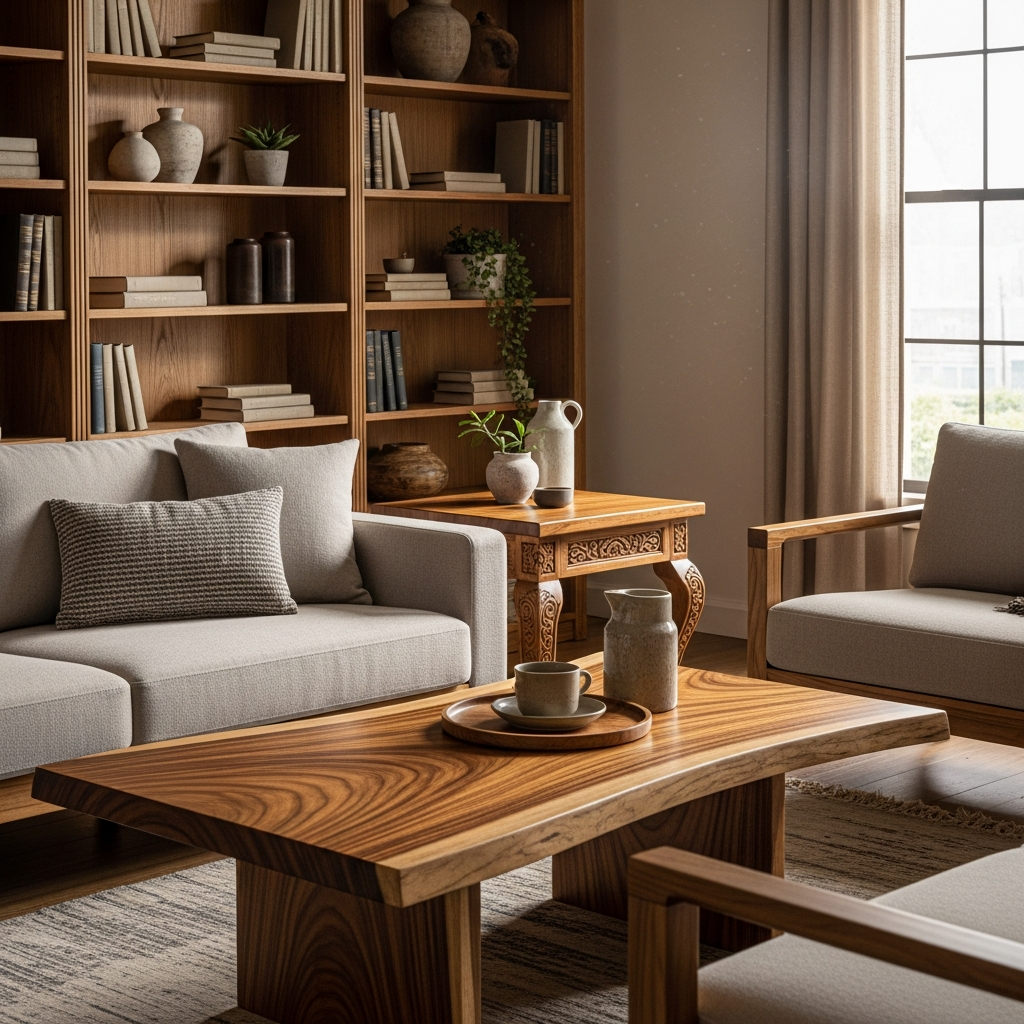
String Furniture: The Art of Functional and Minimalistic Design
String furniture has gotten complicated with all the Scandinavian design hype flying around. As someone who’s owned and assembled three different String configurations over the past decade, I learned everything there is to know about this iconic shelving system. Today, I will share it all with you.
My first encounter with String was at a friend’s apartment in Stockholm back in 2015. She had this beautifully simple wall-mounted shelving unit in her hallway — thin wire side panels, wooden shelves, and somehow it held books, plants, and decorative objects without looking heavy or cluttered. I was hooked immediately. Ordered my first set the week I got home.
The Origins of String Furniture
In 1949, Swedish architect Nils Strinning and his wife Kajsa entered a bookshelf design competition organized by Bonnier’s public library in Sweden. The goal was creating a lightweight, affordable, and easy-to-assemble bookshelf. Their solution won — and honestly, looking at it 75 years later, it’s easy to see why.
The post-war optimism and a focus on democratic design fueled its popularity. People wanted affordable, good-looking furniture that didn’t take up a ton of space. Sound familiar? That’s basically what everyone’s looking for today too, which is why the system’s been in continuous production since its debut. Not many furniture designs can say that.
What Makes String Actually Different
Probably should have led with this section, honestly. The whole concept is dead simple: wire side panels shaped like ladders, and components that hook onto them at whatever height you want. Shelves, cabinets, work desks, magazine holders — they all use the same mounting system.
That’s what makes String endearing to us design-obsessed furniture people — it solves a real problem elegantly. You don’t need tools to rearrange things. Moving to a bigger apartment? Add more panels and shelves. Downsizing? Take some off. I’ve reconfigured my living room String unit at least four times as my needs changed, and each time it took maybe 20 minutes.
The visual lightness is something you don’t appreciate until you see it in person. Those thin wire panels hold a surprising amount of weight without looking bulky. My setup holds about 50 pounds of books and objects on a wall that would look overwhelmed by a traditional bookcase.
Materials and Build Quality
The side panels are powder-coated steel — durable and they clean up easily. I’ve had my oldest set for eight years and the coating still looks factory-fresh. No chipping, no rust.
For the shelves, you’ve got options: oak, walnut, birch, and ash. I went with oak for my living room (warm and classic) and walnut for my home office (darker and more serious-feeling). The wood quality is genuinely good — these aren’t veneered particle board. They’re solid and well-finished.
String also takes sustainability pretty seriously, which I appreciate. The materials are built to last decades, not years. That alone reduces waste compared to buying cheap shelving every few years. They also produce with minimal waste and energy in mind, though I’ll be honest — I haven’t audited their factory or anything.
String Furniture in Different Settings
I’ve used String in three rooms now, and I’ve seen it in countless others. Here’s where it works best:
- Living Rooms: This is the classic use case. Mine holds books, a few plants, some small art pieces, and a record player. It serves as a focal point without dominating the wall. Visitors always comment on it.
- Kitchens: A friend installed a small String configuration above her kitchen counter for spices, mugs, and a few cookbooks. The vertical space use is really efficient here, and having everything visible means she actually uses all of it instead of forgetting about stuff in cabinets.
- Home Offices: My office String has the desk component, and I’m typing at it right now. It holds my monitor, a lamp, files, and supplies. The built-in desk option is narrower than a traditional desk but honestly I don’t need more surface area.
- Bedrooms: I’ve seen people use String as a nightstand replacement — a small wall-mounted shelf with a magazine holder underneath. Clever way to save floor space in tight bedrooms.
The Honest Downsides
Look, I’m a fan, but String isn’t perfect. Here’s what bugs me:
The price. A basic two-panel setup with three shelves runs around $300-400. Add cabinets or a desk and you’re easily over $700. For shelving. Yes, it’s quality, but it’s still a lot of money for what’s fundamentally a shelf on a wall.
Wall mounting means holes. If you’re a renter, this could be an issue. Each panel needs at least two mounting points, and they need to be in studs or use proper anchors for heavy loads. I patched eight holes in my last apartment when I moved out.
The open design means everything is visible. If you’re messy (no judgment), String will broadcast that to everyone who walks in. You need to be somewhat intentional about what goes on the shelves.
String vs. IKEA and Others
The obvious comparison is IKEA, which has several modular wall shelving options at a fraction of the price. IKEA’s stuff works fine — I’ve used it too. The differences are in materials, longevity, and honestly the feeling when you look at it.
String uses better materials and feels more refined. The proportions are more carefully considered. It’ll outlast IKEA shelving by years. But is it four times the price better? That depends on how much shelf aesthetics matter to you. For me, in the living room where I see it every day, yes. In a garage or utility room, absolutely not.
Assembly and Customization
Assembly is straightforward. Mount the side panels to the wall (this is the only part that requires tools and some care), then hook the shelves and components in. The whole thing clicks together. I had my living room setup assembled and loaded in about 45 minutes.
String’s website has a design tool that lets you plan configurations before buying. It’s actually pretty useful — you can see exactly what’ll fit your wall dimensions and get a total price before committing. I’d recommend playing with it even if you end up buying through a retailer.
Is String Furniture Worth It?
After owning String for eight years across three configurations, I’d say yes — with caveats. If you value design, want something that’ll last decades, and don’t mind the investment, it’s hard to beat. The modularity means you’re not locked into one setup, which is worth something over time.
If you’re on a tight budget or need shelving for a space where looks don’t matter, save your money. There are perfectly functional alternatives for much less.
What I keep coming back to is this: the best furniture is stuff you don’t get tired of looking at. My String shelf looks as good to me today as it did when I first put it up. That kind of timeless simplicity is rare and, in my experience, worth paying for.
Recommended Woodworking Tools
HURRICANE 4-Piece Wood Chisel Set – $13.99
CR-V steel beveled edge blades for precision carving.
GREBSTK 4-Piece Wood Chisel Set – $13.98
Sharp bevel edge bench chisels for woodworking.
As an Amazon Associate, we earn from qualifying purchases.




Stay in the loop
Get the latest wildlife research and conservation news delivered to your inbox.