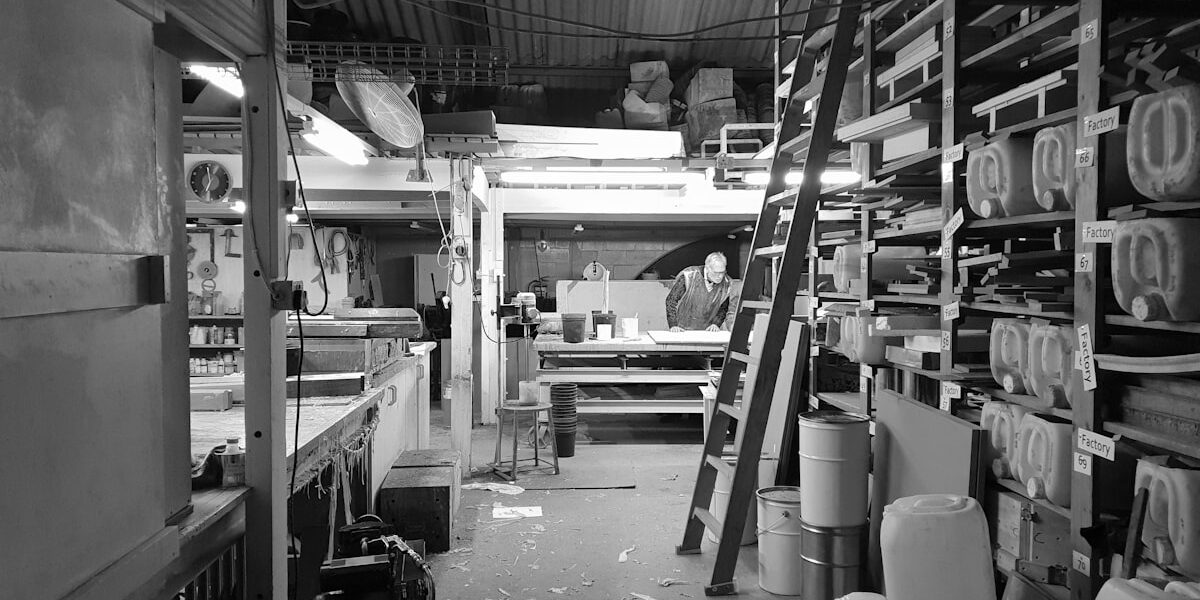
I still remember the first time I tried carving letters into wood. It was supposed to be a simple sign for my daughters bedroom door. Three hours later, I had splinters in my thumb, a crooked S, and a piece of pine that looked like it had been attacked by an angry beaver. But you know what? I learned more from that disaster than from any YouTube tutorial.
So if youre thinking about carving letters into wood, let me save you some of the headaches I went through.
What Youll Need (And What You Can Skip)
Heres the thing about woodcarving – you dont need every fancy tool in the catalog. When I started out, I bought way too much stuff. Now? My go-to kit is pretty basic:
- A chunk of basswood or soft pine (stay away from anything with visible knots – trust me on this one)
- A decent set of chisels – I use three sizes and that covers most projects
- A small mallet (or the back of a heavy screwdriver if youre just starting)
- Pencil and eraser – because you WILL make mistakes on the layout
- Safety glasses – I learned this the hard way after a wood chip bounced off my cheek
- Some sandpaper in various grits
You might see people recommending Dremel tools right away. They work fine, but honestly? Starting with hand tools teaches you how wood behaves. My early Dremel attempts looked terrible because I didnt understand grain direction yet.
Picking Your Wood
Heres where I went wrong on my first few projects. I grabbed whatever scrap wood was lying around in the garage. Bad idea.
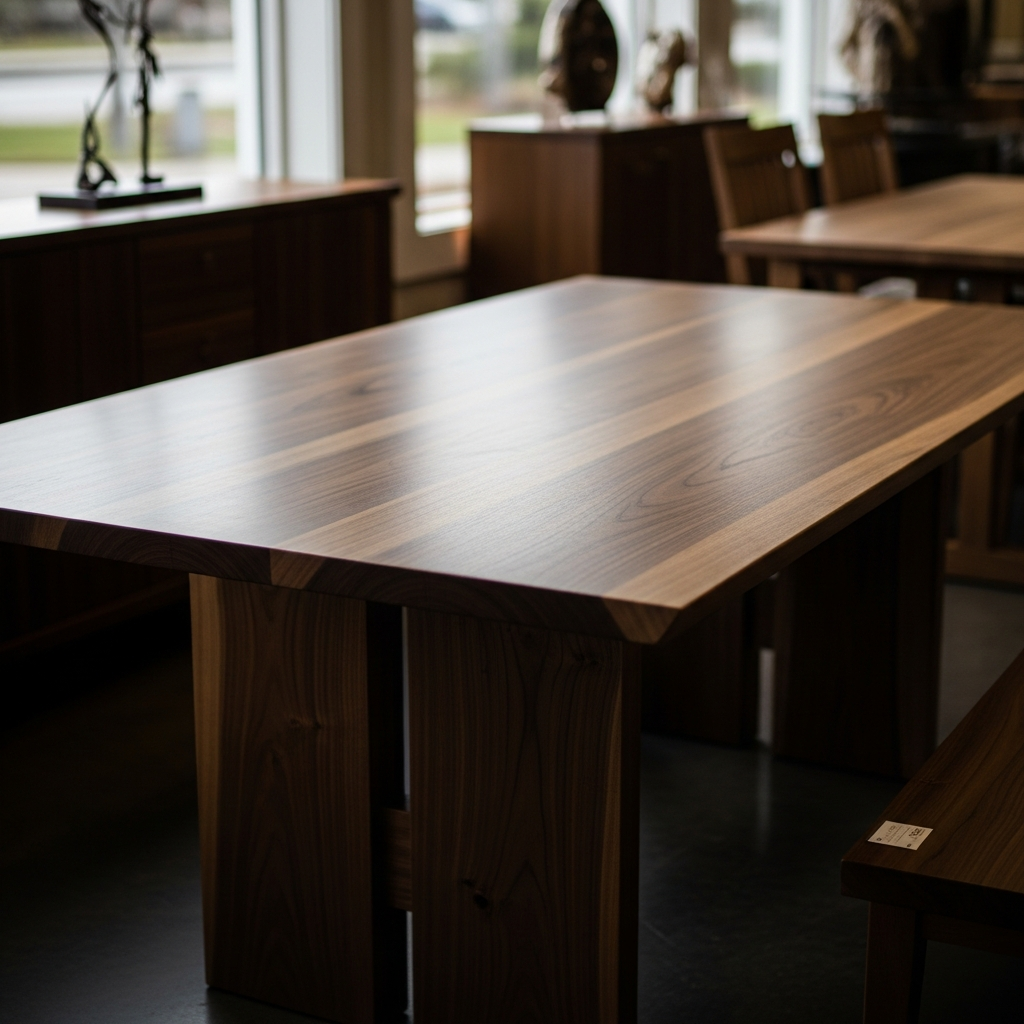
Basswood is your friend when youre learning. Its soft, carves cleanly, and forgives your mistakes a little bit. Pine works too, but watch out for those grain changes – the hard parts will fight your chisel something fierce. Oak and walnut? Beautiful, but maybe wait until youve got a few projects under your belt.
Run your hand over the wood before you start. Feel for rough spots. Look for cracks. Check for knots. A knot in the middle of your letter is a nightmare you dont want.
Sketching Out Your Letters
Dont freehand it. I repeat: dont freehand it. Unless youve been doing this for twenty years, your letters will look drunk.
I usually print out the letters I want at the right size and trace them onto the wood with carbon paper. Old school, but it works. Some folks use stencils, which is smart. The point is, get those lines right BEFORE you pick up a chisel.
Heres a tip that took me way too long to figure out: block letters are your friend. Those fancy script fonts look gorgeous in theory, but carving curves and thin swoops is genuinely difficult. Start with something chunky and simple. You can get artsy later.
Also – and I feel silly even mentioning this – double-check your spelling. I once carved a beautiful WELCME sign. Didnt notice until I was applying the finish.
The Actual Carving Part
Alright, heres where the magic happens. Or where the cursing happens, depending on how its going.
First, outline your letters. Hold your chisel at maybe a 30-degree angle and follow your pencil lines. Dont try to go deep on the first pass – just score the outline. Light taps with the mallet. Patience.
Once youve got the outline, start removing wood from inside the letters. Work in small sections. The biggest mistake beginners make (myself included) is trying to remove too much material at once. Youll either chip out chunks you didnt want to lose, or the chisel will skip and gouge somewhere it shouldnt.
Work with the grain, not against it. This sounds obvious until youre actually doing it and the grain suddenly changes direction. When that happens, flip your approach. Go at it from the other side.
For inside corners – like the inside of an A – use a smaller gouge or chisel. These are tricky spots. Take your time.
If Youre Using a Dremel
Okay, Ive come around on Dremel tools. Theyre quick and theyre useful. But theyre also unforgiving.
Clamp your wood down. Seriously. A Dremel spinning at 30,000 RPM will ruin your work in a split second if the piece moves.
Start with a light touch. Let the bit do the work. I see a lot of beginners pressing too hard – that leads to burn marks and jagged edges. Multiple light passes beat one aggressive attempt every time.
Also, those bits get hot. I may have grabbed one barehanded once. Not recommended.
Cleaning Things Up
Once your carving looks decent, sandpaper becomes your best friend. Start with something around 120 grit to knock off the rough spots, then work your way up to 220 or higher for a smooth finish.
Getting sandpaper into the carved areas is annoying. I wrap small pieces around a pencil or popsicle stick to reach the tight spots. Some people use small files. Whatever works.
If youve got fuzzy edges where the wood kind of frayed – common with pine – hit those lightly with very fine sandpaper. Sometimes a little bit of sanding sealer helps tighten things up before the final sanding pass.
Finishing Touches
You could leave the wood natural, but a finish protects it and brings out the grain. My usual choices:
- Tung oil for a natural look – just wipe it on, let it soak in, wipe off the excess
- Polyurethane if its going outdoors or getting a lot of handling
- Wax for that old-timey feel, though it needs occasional reapplication
Some people paint the inside of the carved letters to make them pop. A contrasting color looks sharp on signs. Ive done gold leaf on a few pieces, which is fiddly but impressive when it works out.
The Mistakes Youll Probably Make (Because I Made Them)
Let me save you some grief:
- Going too fast – I ruined an entire weekend project by rushing the last few letters. Slow down.
- Dull tools – A dull chisel tears wood instead of cutting it. Sharpen your stuff. It matters more than you think.
- Ignoring grain direction – Youll learn this through pain, but try to learn it quickly
- Not checking your layout – I already mentioned my WELCME incident, but spacing issues are common too. Step back and look at your layout before committing
Your First Project
Honestly? Start with something small where screwing up isnt heartbreaking. A coaster with one initial. A little hanging ornament. Something you can finish in an afternoon.
Once youve got the feel for how your tools work and how wood responds, you can tackle the fancy stuff. That Home Sweet Home sign or the family name plaque will come. Just give yourself room to learn first.
Ive been carving letters for about six years now, and Im still learning. Last month I finally figured out a technique for serif fonts that Id been fighting with forever. This stuff takes time. But when you hang up that first sign you made yourself – even if its not perfect – theres nothing quite like it.




Stay in the loop
Get the latest wildlife research and conservation news delivered to your inbox.