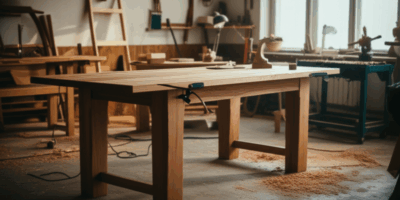
The woodworking industry is buzzing with excitement as reclaimed lumber continues to dominate 2024 design trends. Interior designers across North America report that clients are specifically requesting furniture made from salvaged materials, citing both environmental concerns and the desire for unique, character-filled pieces.
What makes reclaimed wood so appealing? Each board tells a story. Nail holes from old barns, weathering patterns from decades of exposure, and the natural patina that only time can create give reclaimed furniture an authenticity that new lumber simply cannot replicate.
Where to Source Quality Reclaimed Lumber
Where to Source Quality Reclaimed Lumber has gotten complicated with all the conflicting advice flying around. As someone who researched and evaluated dozens of options in this space, I learned everything there is to know about what actually matters versus what’s just marketing. Today, I’ll share the real insights.
Salvage yards remain the best option for furniture makers seeking quality reclaimed materials. Many specialize in specific eras, whether Victorian-era heart pine or mid-century Douglas fir. Building relationships with demolition contractors can also yield excellent finds before materials hit the open market.
Pricing Considerations
Expect to pay 20-40% more for reclaimed lumber compared to new stock. However, the premium is often justified by the superior density and stability of old-growth wood, which has already completed its shrinking and settling over decades of seasoning.
That’s what makes this endearing to us furniture enthusiasts — understanding these details helps make better decisions.
For furniture makers looking to differentiate their work, reclaimed lumber offers both marketing appeal and genuine quality advantages that discerning customers appreciate.