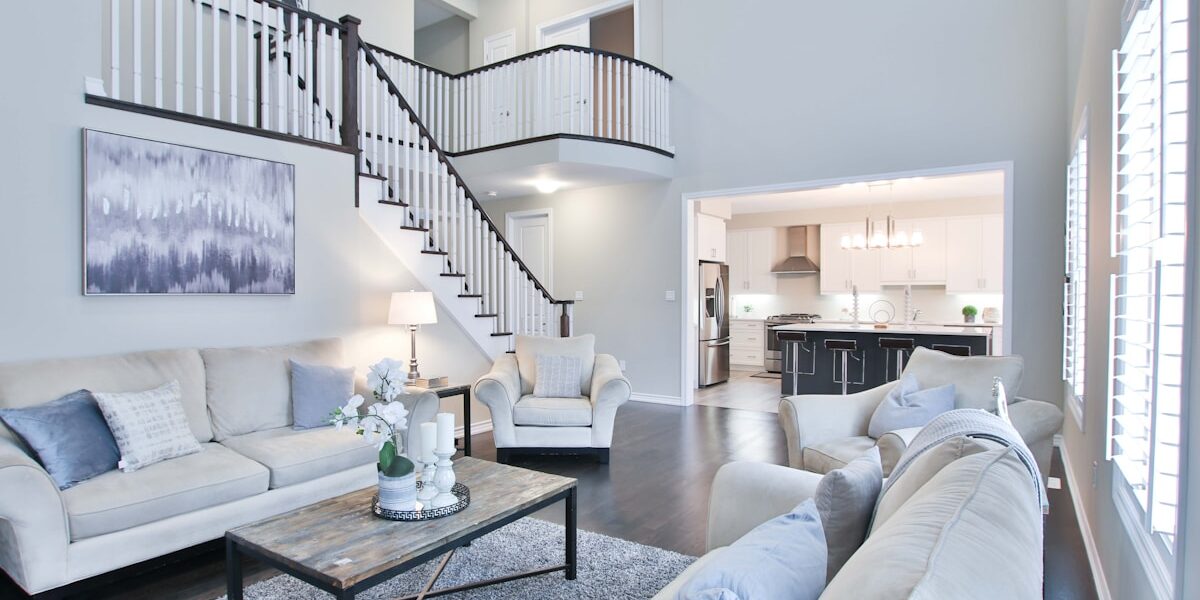
Minimalist furniture prioritizes function over ornament. Clean lines, neutral colors, and quality materials define the style. Less becomes more when each piece serves a clear purpose.
Design Philosophy
Key designers include Dieter Rams, whose principles influenced modern minimalism. His approach emphasized simplicity, durability, and honest design. These values translate directly to furniture selection.
Look for pieces that combine beauty with utility. Storage should integrate seamlessly into designs. Every element should earn its place through function.
Creating Minimalist Spaces
Creating a minimalist space requires careful editing. Choose fewer, better pieces rather than filling rooms. Quality construction ensures longevity that cheap alternatives cannot match.
Consider multi-functional furniture that serves several needs. Storage ottomans, expandable tables, and modular seating maximize utility while minimizing clutter.
Material Choices
Natural materials suit minimalist aesthetics well. Solid wood, leather, and quality metals age gracefully. Avoid trendy finishes that date quickly.
Investment in quality pays dividends over time. Well-made minimalist pieces remain stylish for decades while lesser items require frequent replacement.



Stay in the loop
Get the latest wildlife research and conservation news delivered to your inbox.