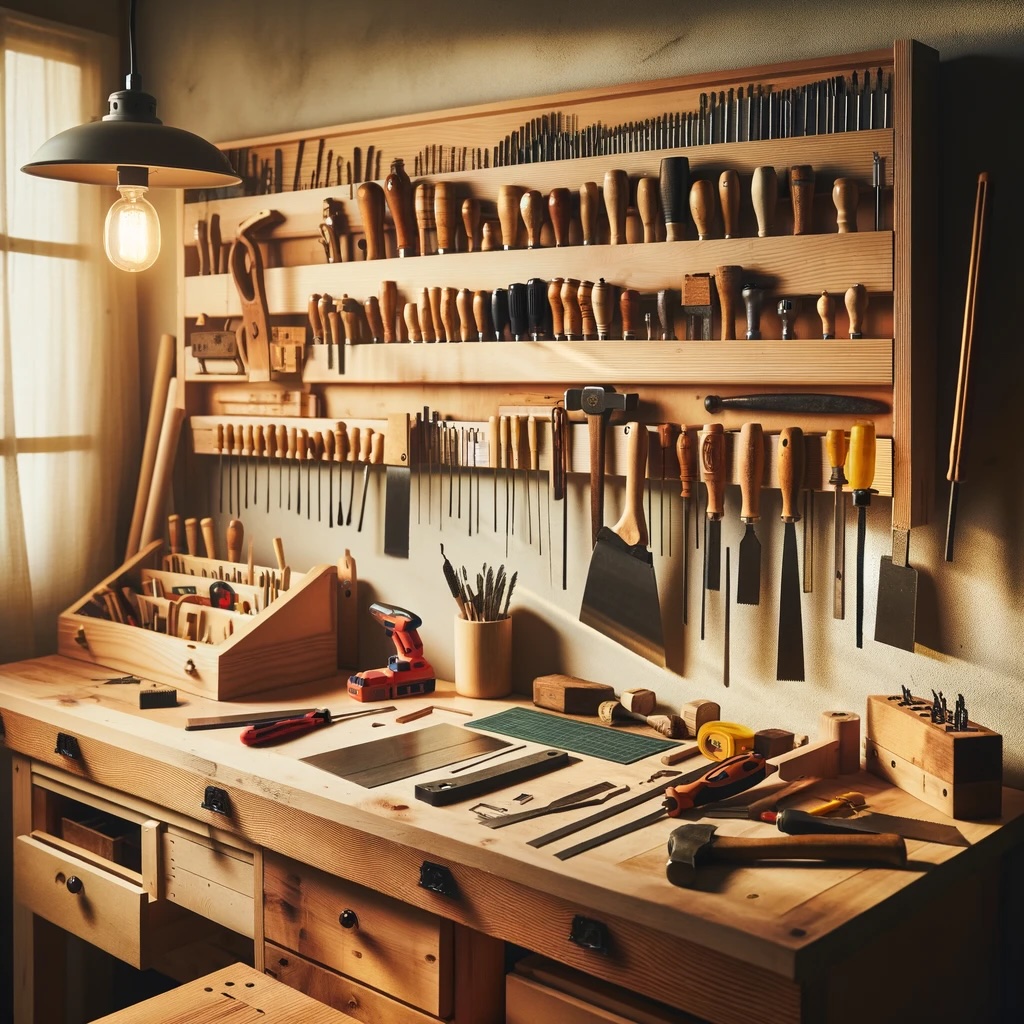
Where Woodworking and Upholstery Meet
There’s a particular satisfaction in building furniture that crosses disciplines. An upholstered storage ottoman represents exactly that intersection – a solid wood frame that demands joinery skills combined with fabric work that requires an entirely different mindset. For woodworkers willing to step slightly outside their comfort zone, this project opens doors to a whole category of furniture that most hobbyists avoid.
The ottoman I’m describing today measures 36 inches square, stands 18 inches tall, and provides substantial hidden storage beneath a hinged, upholstered lid. Total material cost runs approximately $180-220 depending on fabric selection, and the build requires about 8-10 hours of focused shop time.
Frame Construction: The Bones Matter
Start with the frame because everything else depends on it being square and solid. I use 2×4 construction lumber for the base frame and 1×4 pine for the vertical corners and lid frame. The base is a simple rectangle joined with pocket screws at the corners – nothing fancy, but critically, it must be dead square. Check diagonal measurements and adjust before the screws are fully seated.
The vertical corner posts connect to this base frame using mortise and tenon joints. Yes, pocket screws would work, but mortise and tenon provides superior rigidity when someone inevitably uses this ottoman as extra seating during a party. Cut your mortises 1 inch deep and size your tenons for a friction fit that requires light mallet persuasion.
Panel Installation and Storage Cavity
Wrap the frame in 1/4-inch plywood panels. I prefer Baltic birch for its stability and smooth surface, though standard sanded plywood works fine since it will be covered with fabric. Attach panels using 3/4-inch brad nails and wood glue, spacing brads every 4 inches along the frame members.
The interior storage cavity should be left as bare plywood. Adding a fabric liner is optional but does prevent items from snagging on any rough spots. A simple stapled-in liner of muslin fabric accomplishes this nicely.
Lid Construction and Hardware
Build the lid frame from 1×4 stock, again joined with pocket screws. Cut a plywood panel to fit inside this frame, set down 3/4-inch from the top edge to create a recess for foam padding. This is crucial – if the foam sits proud of the frame, the finished lid will have an unprofessional bulging appearance.
Install a piano hinge along the back edge, positioning it so the lid opens to approximately 95 degrees. Add soft-close lid supports on both sides to prevent the lid from slamming shut. These typically cost $8-12 per pair and are absolutely worth the investment for safety and longevity.
The Upholstery Process
Here’s where woodworkers typically feel uncertain, but the technique is straightforward. Start with 2-inch high-density foam cut to the exact dimensions of your lid recess. Spray adhesive bonds the foam to the plywood substrate.
Cut your fabric with 4 inches of excess on all sides for wrapping. Work from the center of each edge outward, pulling the fabric taut and stapling to the underside of the lid frame. At corners, fold the fabric like you’re wrapping a gift – create a neat diagonal fold rather than bunching the material.
For the body panels, you don’t need foam – just wrap fabric directly over the plywood. Work one panel at a time, starting with the front, then sides, and finally the back. Keep your staples within 1/2-inch of the bottom edge where decorative trim will conceal them.
Finishing Details
Apply decorative nail head trim along the bottom edge to hide staples and add visual weight. Brass or nickel finish heads spaced 1 inch apart create a classic look. Peel-and-stick trim strips make this process foolproof.
Add 2-inch wooden bun feet at each corner. These screw into threaded inserts installed in the base frame, raising the ottoman off the floor for easier vacuuming underneath and providing a more substantial appearance.
Fabric Selection Tips
Choose upholstery-weight fabric rated for at least 15,000 double rubs – the industry standard for residential durability. Avoid anything with a loose weave that will snag easily. Performance fabrics with stain resistance are ideal for households with children or pets. Budget $30-60 per yard, and you’ll need approximately 2.5 yards for a 36-inch ottoman.
This project bridges two crafts beautifully, and the finished piece commands attention in any living room. Once you’ve mastered the basic upholstery techniques here, you’ll find yourself eyeing dining chairs and headboards with new confidence.



Stay in the loop
Get the latest artisan furniture makers updates delivered to your inbox.