My grandfather oak dining table was made sometime in the 1920s. I ate breakfast at that table as a kid. My parents inherited it and used it for another 30 years. Now it is in my dining room, and I have no plans to ever replace it.
That table has survived moves, kids, dinner parties, homework sessions, and probably a few things that would have destroyed any modern furniture. And it still looks great. That is why I keep coming back to oak for my own projects.
Why Oak Works (The Real Reasons)
Oak is not the fanciest wood. It is not the most expensive. But it has earned its reputation over literal centuries, and here is why:
It is hard as hell. Oak rates around 1300-1360 on the Janka hardness scale. For comparison, pine is about 700, cherry is around 950. That hardness means it does not dent or scratch easily. When you are building furniture that is actually going to be used, that matters.
The grain tells you what is happening. Oak has a very open, visible grain structure. This is not just decorative – it lets you see exactly what the wood is doing. I can look at a piece of oak and immediately understand how it is going to move, where it is strongest, how to orient it in a project.
It takes abuse gracefully. When oak does get scratched or dented (and everything does eventually), the damage blends in with the natural texture. A scratch on maple looks terrible. A scratch on oak? Just more character.
Red Oak vs. White Oak: An Opinion
This is one of those debates woodworkers have. I will give you my take.
Red oak is what you will find at most lumber yards. More pinkish tone, very open grain, slightly less expensive. I use it for painted projects or anything that will be indoors and away from water.
White oak is denser, more closed grain, slightly more expensive, and famously water-resistant. If you have ever wondered why whiskey barrels are made from white oak, that is why – liquid can not seep through the wood.
My honest recommendation: white oak is better for furniture if you can get it and afford it. It is more stable, takes finish better, and the color is warmer. Red oak is fine, but white oak is great.
The price difference is usually 20-30 percent, which matters when you are buying board feet for a big project. I save red oak for shop fixtures and white oak for pieces that matter.
Working With Oak (The Frustrating Bits)
I love oak, but it is not the easiest wood to work with. Here is what drives me crazy:
It dulls blades fast. That hardness I praised earlier? Murder on saw blades and chisels. Budget for more sharpening time and blade replacements when working with oak.
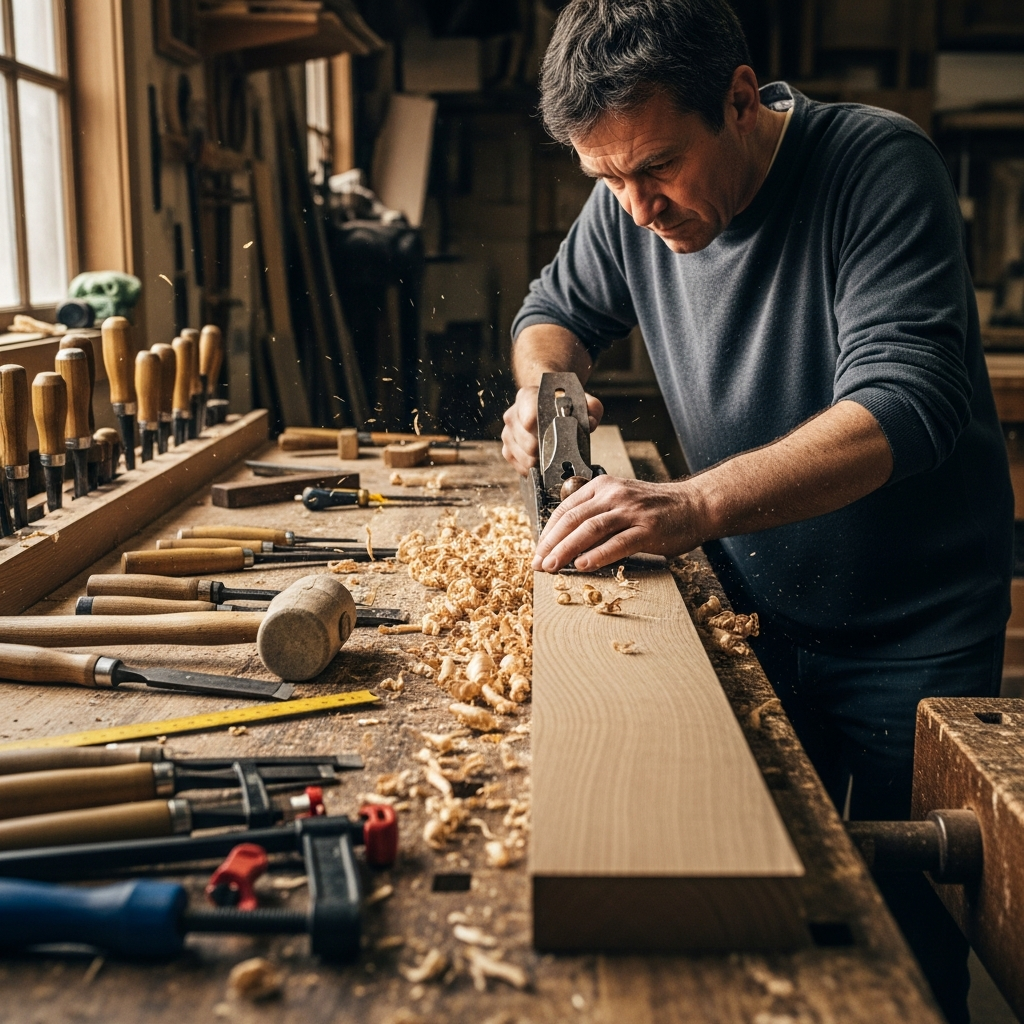
The grain likes to tear out. That beautiful open grain can cause problems when planing or routing against the grain direction. Take lighter passes, keep your tools sharp, and watch the grain direction carefully.
It stains blotchy sometimes. Red oak especially can absorb stain unevenly because of the open pores. If you are staining (vs using a clear finish), use a pre-stain conditioner or wood filler to get even color.
It is heavy. An oak dining table is not something you move casually. Plan for the weight when designing and when figuring out how to get the finished piece where it is going.
Finishes That Actually Work on Oak
Over the years I have tried probably every finish available on oak. Here is what I have landed on:
Oil finishes (danish oil, tung oil): My favorite for most applications. They soak into the wood and let the natural texture shine through. Easy to apply, easy to repair if damaged. Downside is less protection than film finishes.
Lacquer: Fast to apply, durable, professional looking. This is what most manufactured furniture uses. Spraying it requires equipment and good ventilation, so not always practical for home shops.
Polyurethane: Maximum protection, but I think it looks too plastic-y on oak. The heavy film obscures the natural texture that makes oak special. I reserve poly for high-wear surfaces like tabletops.
Shellac: Old school and beautiful. Warm tone, fast drying, repairable. Not great for surfaces that see water or alcohol (it dissolves in both). Perfect for pieces that will not get hard use.
Paint: Honestly, I think painting oak is usually a mistake. You are covering up the very thing that makes it valuable. But if you have to, oak does take paint well due to its texture giving the paint something to grip.
Building With Oak: Project Notes
Some lessons I have learned from building furniture with oak:
Let it acclimate. Seriously. Oak moves a lot with humidity changes. I leave lumber in my shop for at least two weeks before milling it. Had a tabletop cup on me once because I rushed this step.
Oversize and plane down. Buy boards thicker than your finished dimension and plane to final thickness. This lets you work out any twist or cup and gives you flat, true stock.
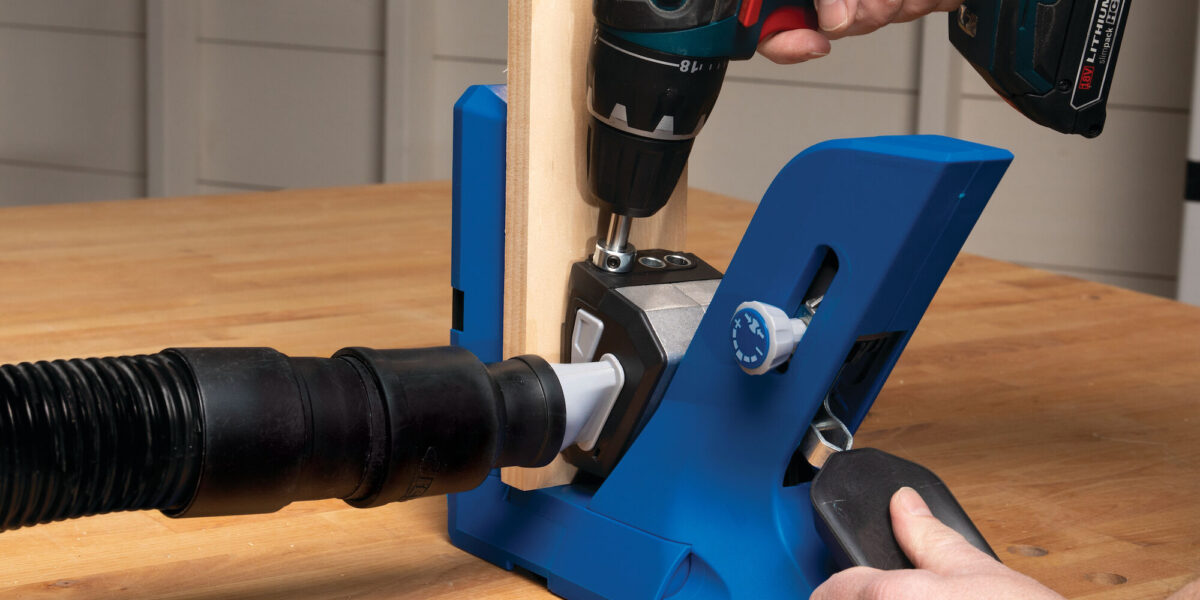
Traditional joinery works great. Mortise and tenon, dovetails, dowels – oak strength means these joints will last forever. I do not use pocket screws on oak furniture. Feels wrong.
Allow for movement. Oak expands and contracts across the grain with humidity. Tabletops need to be attached in ways that allow this movement, or they will crack. Breadboard ends need to slide. Research this before you build.
Where to Buy Good Oak
Big box stores sell oak, but it is usually construction grade and not great for furniture. Here is where I get mine:
Local hardwood dealers: The best source. They will have higher grades, better selection, and can advise on what you need. Prices are usually better than retail too.
Sawmills: If you have sawmills in your area, they often sell directly. Sometimes you can get green lumber cheap and dry it yourself if you have space.
Reclaimed wood dealers: Old barn wood and salvaged oak can be amazing, with character you can not buy new. More expensive and requires careful inspection for hidden nails.
Online: Woodworkers Source, Bell Forest Products, and others ship lumber. Expensive for shipping but good if you do not have local sources.
The Bottom Line After 20 Years
I have built furniture from walnut, cherry, maple, ash, and plenty of other species. They are all good woods with their own strengths. But when someone asks what they should build their first serious piece from, I say oak.
It is forgiving of mistakes. It is strong enough to survive learning experiences. It looks good with a simple finish. And in fifty years, that piece will still be around, still useful, maybe passed on to someone who will appreciate it as much as I appreciate my grandfather table.
There is a reason craftsmen have used oak for centuries. When something works that well for that long, you do not need to reinvent the wheel.
Recommended Woodworking Tools
HURRICANE 4-Piece Wood Chisel Set – $13.99
CR-V steel beveled edge blades for precision carving.
GREBSTK 4-Piece Wood Chisel Set – $13.98
Sharp bevel edge bench chisels for woodworking.
As an Amazon Associate, we earn from qualifying purchases.



Stay in the loop
Get the latest wildlife research and conservation news delivered to your inbox.