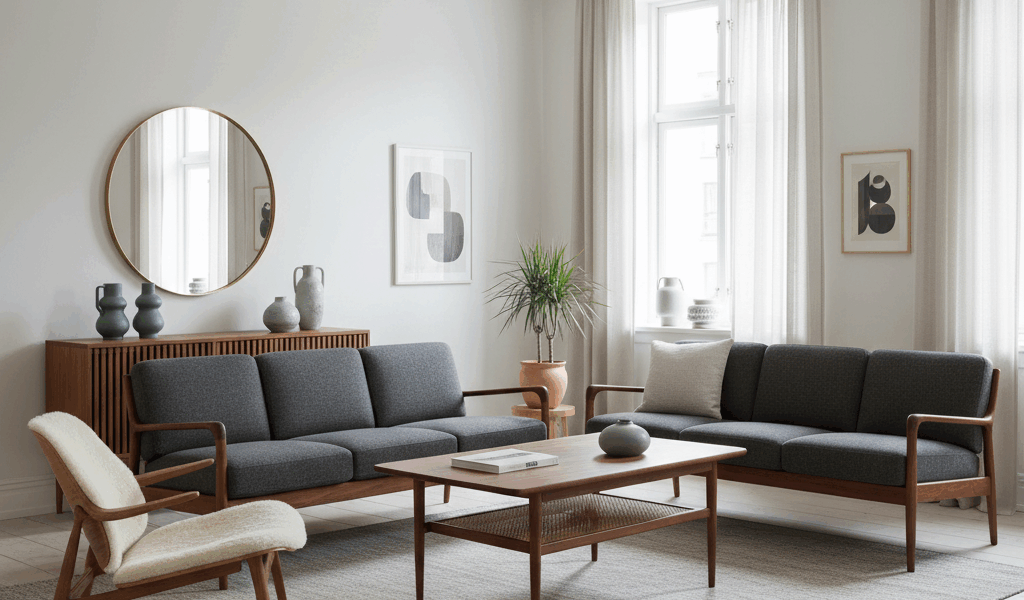
Furniture country-of-origin claims have gotten complicated with all the “Italian design” and “Scandinavian style” marketing flying around. As someone who’s bought furniture from six countries over the years—some deliberately seeking quality, some just landing on whatever was available—I learned everything there is to know about what these labels actually mean. Today, I will share it all with you.
The differences are real, but the answer isn’t as simple as pointing to one nation and declaring victory.
The Italian Reputation
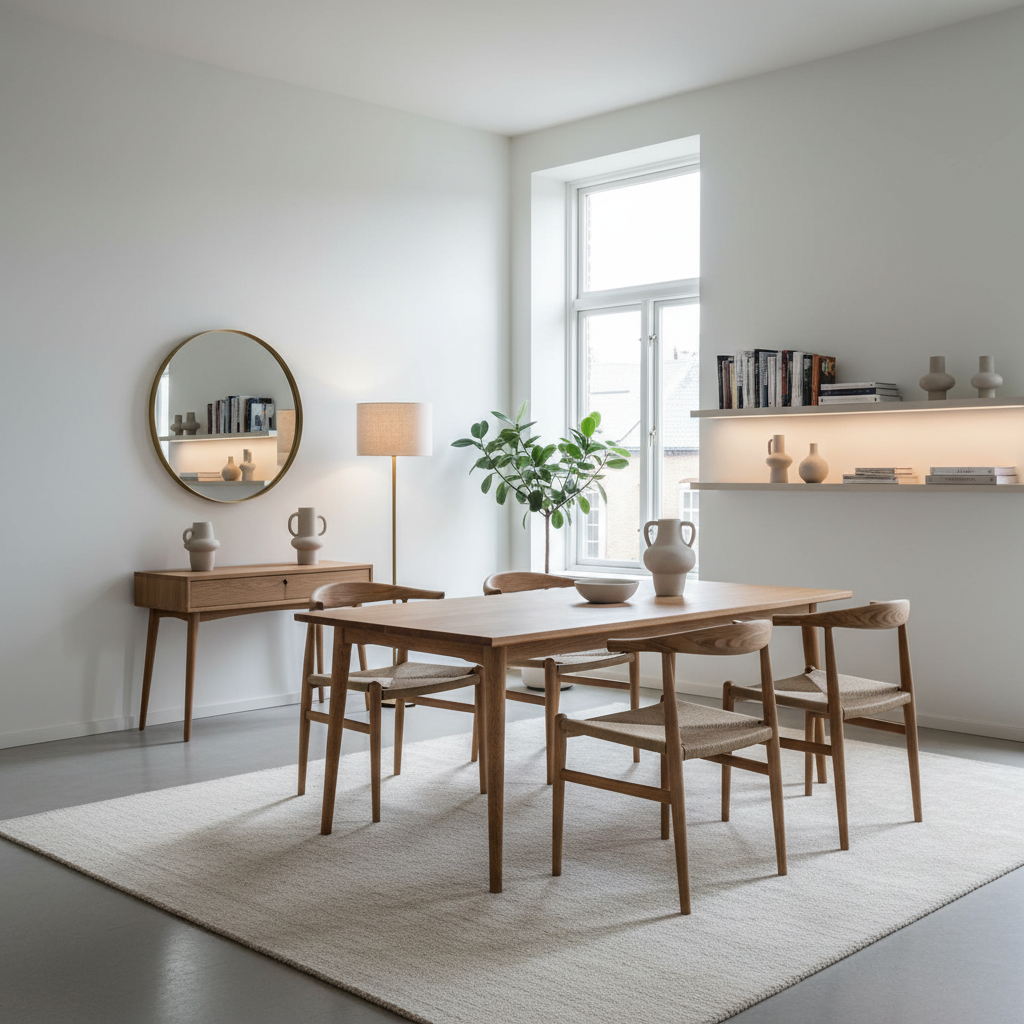
Italian furniture gets described as the best in the world so often that it’s become received wisdom. And there’s truth to it—Italian workshops have centuries of tradition, access to quality materials, and a culture that values craftsmanship.
The leather especially. I have an Italian leather sofa that’s twelve years old and looks better now than when I bought it. That’s what makes Italian leather endearing to us collectors—the patina developed exactly as promised. American leather goods I’ve owned for similar periods showed wear, not improvement.
But Italian furniture is expensive. Really expensive. And some of what gets marketed as “Italian” is designed in Italy but manufactured elsewhere. The label doesn’t always mean what it implies.
The Danish Surprise
Probably should have led with this section, honestly. Danish modern—what most people mean when they say mid-century modern—originated in Denmark for a reason. Those designers understood wood, proportion, and function in ways that produced furniture that still looks right seventy years later.
I own a set of Danish dining chairs from the 1960s. Bought them used, refinished them myself. They’re more comfortable than chairs ten times their price, and the joinery—mortise and tenon throughout—will probably outlast me.
Current Danish furniture maintains some of that tradition, though mass production has diluted it. Companies like Fritz Hansen still produce quality, but at prices that reflect the craftsmanship.
American Craft
American furniture occupies a strange space. The mass-market stuff is mostly junk—particle board covered in veneer, assembled with cam locks, designed to be replaced in five years.
But American craft furniture—the tradition from Shaker through Arts and Crafts through studio furniture today—includes some of the best work being done anywhere. Workshops in New England, the Pacific Northwest, and North Carolina produce furniture that rivals anything European.
The catch is finding it. American craft furniture doesn’t have the marketing infrastructure Italian furniture enjoys. You have to seek out individual makers or regional galleries. Worth the effort, but it takes effort.
The Asian Wildcard
Japanese furniture, particularly in traditional styles, represents craftsmanship as rigorous as any in the world. The joinery traditions are extraordinary—joints that hold without glue, designs refined over centuries.
Getting genuine Japanese craftsmanship outside Japan is difficult and expensive. What you find in most stores labeled as Asian-inspired is something else entirely—usually Chinese factory production with superficially similar aesthetics.
Vietnamese and Indonesian furniture has improved significantly over the past two decades. I’ve seen pieces from small Vietnamese workshops that show real skill, often using excellent tropical hardwoods at prices far below equivalent American work. Quality varies wildly though.
The Value Question
Poland, Romania, and other Eastern European countries produce solid furniture at moderate prices. The craftsmanship reflects older traditions that industrialization didn’t fully erase. I’ve bought oak tables from Polish makers that would cost double from American sources.
The furniture isn’t designer—you won’t see it in magazines. But it’s made properly from real wood with real joinery. For people who care about quality but can’t afford Italian or Danish prices, Eastern Europe offers a reasonable compromise.
What Actually Matters
Country of origin matters less than specific maker and specific piece. Italian furniture includes junk; American furniture includes masterpieces. The label tells you where something was made, not how well.
When I buy furniture now, I look at construction before looking at origin. Dovetailed drawers. Solid wood in load-bearing areas. Joinery that doesn’t rely entirely on fasteners. If those elements are there, I care less about which country produced them.
The best furniture I own came from three continents. The worst all came from the same big-box store, regardless of where it was manufactured. That’s the lesson, really.




Stay in the loop
Get the latest wildlife research and conservation news delivered to your inbox.