What Makes Hand-Crafted Furniture Worth the Money
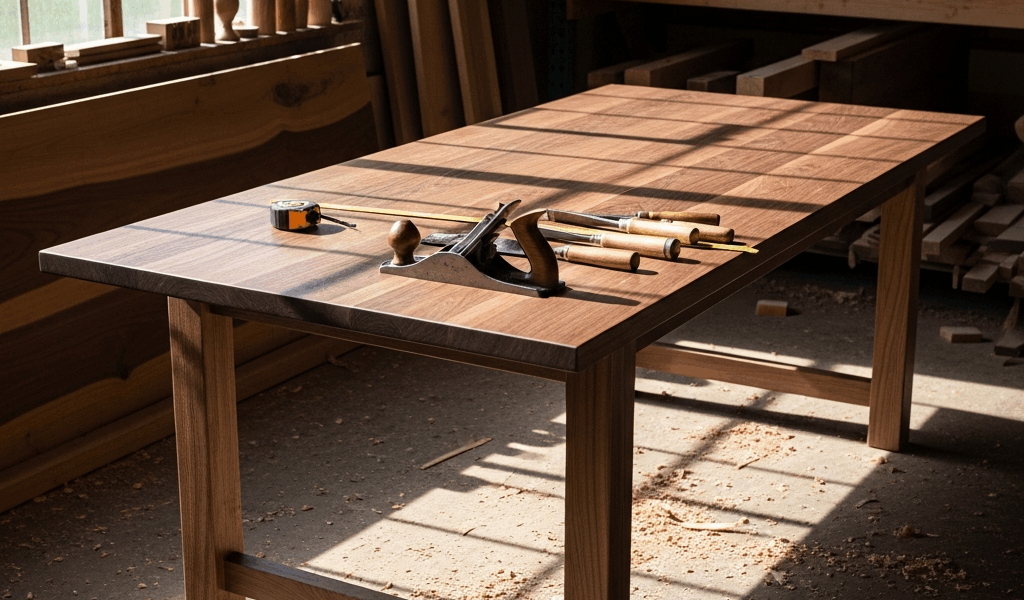
Mass-produced furniture fills a need, but it fills landfills just as fast. The average big-box dresser lasts about seven years before the particle board swells, the drawer slides fail, and the veneer starts peeling. A well-made piece of solid wood furniture lasts generations. The question isn’t really whether handcrafted furniture costs more — it does. The question is whether you want to buy a dresser once or five times.
Know What You’re Actually Buying
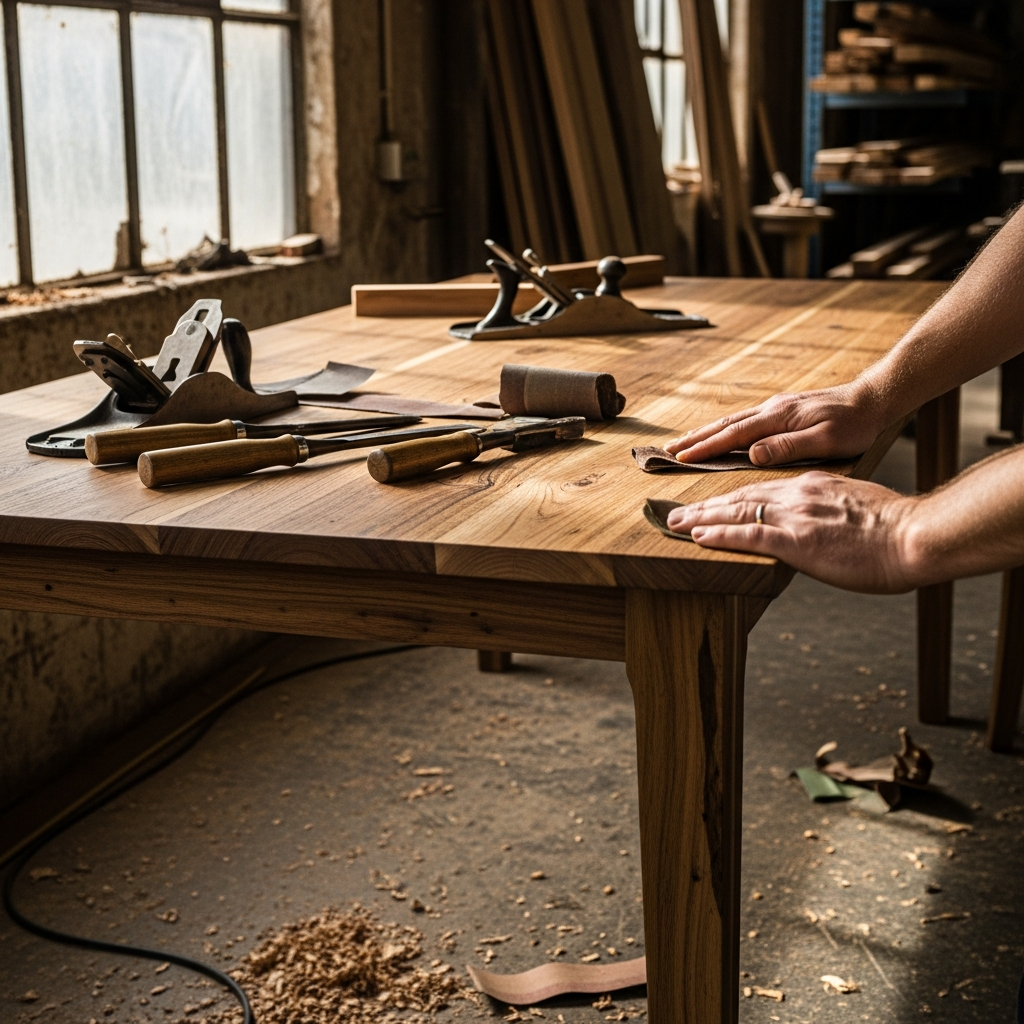
The term “handcrafted” gets thrown around loosely. A piece milled, joined, and finished entirely in a small shop by a skilled maker is different from a factory product that had one hand-sanding step. Ask direct questions: What species of wood? How are the joints constructed? What finish is used, and how many coats?
Dovetail joints in drawers are a strong indicator of quality. They’re time-consuming to cut and unnecessary if the builder is just trying to hit a price point. Mortise-and-tenon joinery in frames and table legs is another sign that the maker built it to last, not just to ship.
Choosing the Right Wood Species
Different woods serve different purposes. Cherry darkens beautifully with age and sunlight, developing a rich patina over decades. Walnut starts dark and holds its color well, with striking grain patterns. White oak is extremely durable and naturally resistant to moisture, making it ideal for dining tables and kitchen pieces.
Maple is hard and takes abuse well — good for surfaces that see heavy daily use. Softer species like pine and poplar work fine for decorative pieces and shelving but dent easily on high-traffic surfaces.
Ask the maker about wood sourcing. Many small shops use domestically harvested lumber from sustainable forests. Some work exclusively with reclaimed wood from old barns, factories, or fallen trees. This isn’t just an environmental consideration — reclaimed wood is often old-growth with tighter grain and more character than anything being harvested today.
What to Look for When Shopping
Run your hand along every surface. The finish should be smooth and even with no rough patches, drips, or bubbles. Open and close every drawer and door — they should move smoothly with consistent gaps. Examine joints closely for tight fits with no visible gaps or excess glue squeeze-out.
Check the back and bottom of the piece. Cheap furniture uses thin hardboard backing stapled on. Quality builders use solid wood or quality plywood panels set into rabbeted frames. Look underneath tables and chairs — the joinery and finish quality should be consistent even where nobody normally sees.
Custom vs. Production Handcrafted
Some makers build one-off custom pieces to your exact specifications. Others produce standard designs in batches. Both can be excellent. Custom work costs more and takes longer — typically 8 to 16 weeks — but you get exactly what you want in dimensions, species, and finish.
Production handcrafted shops offer faster turnaround and lower prices because they’ve optimized their process around specific designs. The quality can be just as high. It comes down to whether you need specific dimensions or features.
Finding Good Makers
Local woodworking guilds, craft fairs, and maker markets are the best starting points. Instagram and Etsy have made it easier to find small shops, but nothing replaces visiting a workshop and seeing the work in person. Check for reviews from past buyers and ask for references on larger commissions.
A good maker will walk you through every detail of the build, offer wood samples, and be transparent about pricing and timeline. If someone can’t explain how the piece is constructed, that’s a red flag worth paying attention to.

Stay in the loop
Get the latest artisan furniture makers updates delivered to your inbox.